



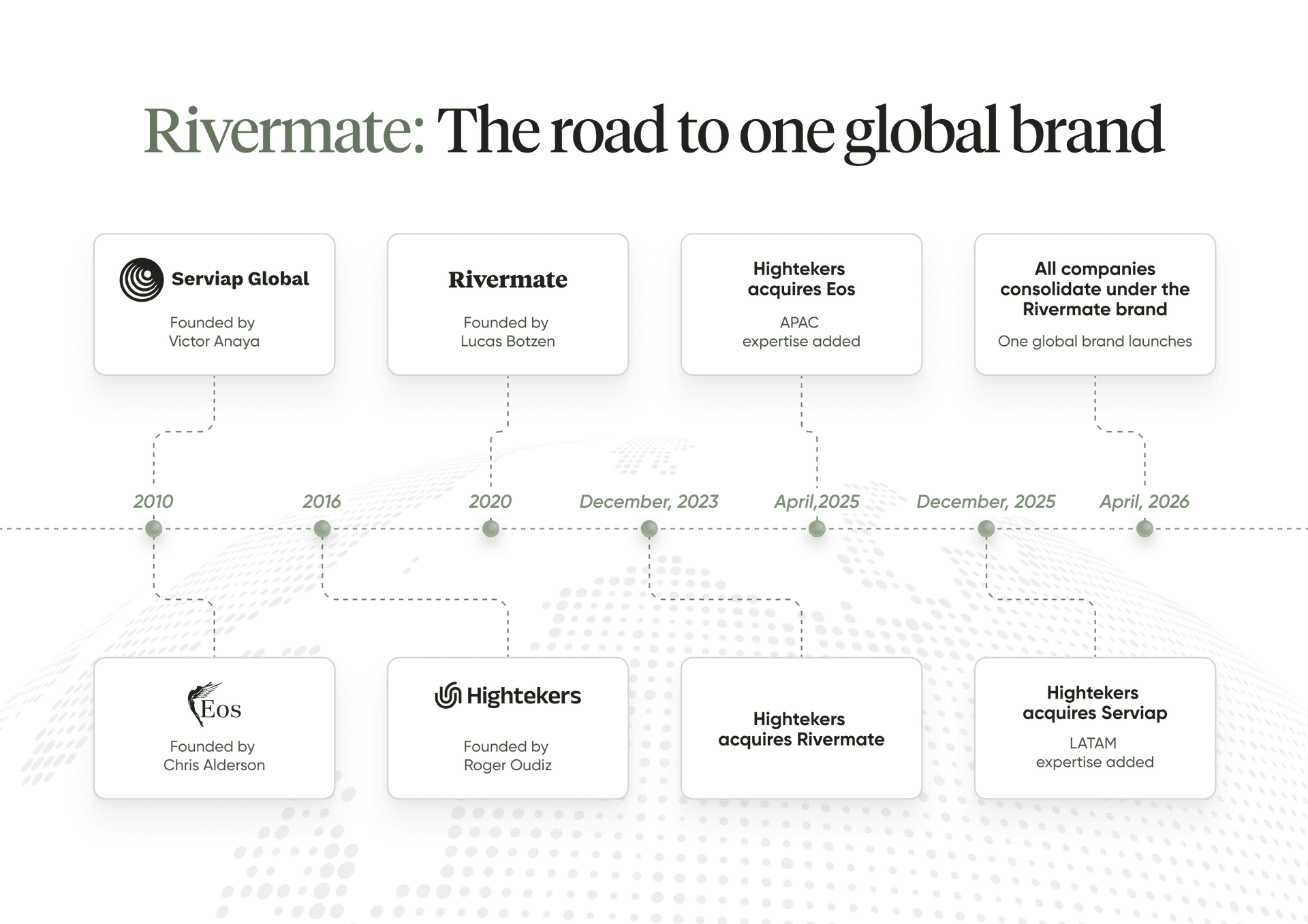
What is a Global Payroll Partner?
A global payroll partner is an organization that provides comprehensive payroll
services to businesses operating in multiple countries. These partners
specialize in international payroll, taxation, and compliance, enabling them
to deliver accurate, country-specific solutions tailored to a company’s
operational needs. They help organizations navigate complex regulatory
environments while ensuring employees are paid correctly and on time, and that
all statutory filings are completed accurately.
Global payroll partners typically support companies at various stages of
international growth—from entering new markets to managing established global
workforces. Their services often extend beyond payroll processing to include
guidance on labor laws, social security obligations, and employee benefits.
As globalization and remote hiring continue to accelerate, global payroll
partners have become essential for organizations seeking to scale
internationally without exposing themselves to compliance risks, penalties,
or administrative inefficiencies.
So what types of services do global payroll partners typically offer?
Generally speaking, they provide end-to-end support for multinational
companies of all sizes—from startups expanding into their first foreign
market, to mid-sized businesses hiring locally across regions, and large
enterprises outsourcing global payroll operations entirely. Services may
include:
- Setting up legal entities (including registration with local authorities)
- Advising on applicable labor laws and regulations
- Managing employee onboarding processes
- Calculating salaries and wages according to local requirements
- Administering employee benefit plans
- Preparing payslips and payroll documentation
- Processing salary payments in local currencies
- Filing required reports and statutory returns
- Providing ongoing guidance on legislative changes
The advantages of working with a global payroll partner are significant. It
reduces the need for large internal payroll teams, improves accuracy through
specialist expertise, saves time by streamlining processes, and eliminates the
need for costly payroll software investments. Most importantly, it provides
peace of mind by ensuring ongoing compliance across all jurisdictions, making
global expansion far more manageable than handling payroll independently.
How to select a Global Payroll Partner
When it comes to selecting a global payroll partner, businesses must carefully
evaluate several key factors. Choosing the right provider is critical to
ensuring employees are paid accurately, on time, and in compliance with local
regulations. With many providers available, the following considerations can
help identify the best fit for your organization:
-
Types of services offered – Global payroll partners offer a wide range of
services, including tax compliance, multi-currency payments, and employee
benefits administration. It is important to confirm that the provider’s
offerings align with your current and future needs. Pricing structures
should also be reviewed carefully, as costs may vary depending on the
number of countries, employees, or services required.
-
Local expertise – International payroll requires deep knowledge of local
employment laws and tax regulations. A strong global payroll partner
should have established expertise in each country where your employees
are based, helping you navigate complex compliance requirements and avoid
costly errors.
-
Security & compliance – Payroll data is highly sensitive, and providers
must adhere to strict security and privacy standards. Ensure potential
partners comply with applicable data protection laws, including GDPR, and
maintain robust safeguards such as encryption, secure infrastructure, and
disaster recovery plans.
-
Technology platforms – Modern payroll providers rely on advanced
technology to manage payroll across multiple countries and currencies.
Evaluate the provider’s platform for usability, reporting capabilities,
integration options, and scalability to support future growth.
-
Support & customer service – Reliable customer support is essential.
Assess how responsive and knowledgeable the provider’s support team is,
and consider speaking with existing customers to gain insight into their
service quality and issue resolution processes.
The benefits of working with a Global Payroll Partner
When managing payroll on a global scale, businesses can either handle payroll
in-house or partner with a global payroll provider. While both approaches have
merits, many organizations find that working with an experienced partner
delivers substantial advantages. From cost efficiency to regulatory
confidence, global payroll partners simplify international payroll operations
considerably.
Cost savings: One of the primary benefits of outsourcing global payroll is
cost efficiency. By leveraging an established provider’s infrastructure and
expertise, companies can avoid the expense of building internal payroll
systems for each country. Global payroll partners often offer competitive,
predictable pricing, helping organizations reduce overhead and manage costs
more effectively.
Access local expertise: Navigating international employment regulations
requires specialized local knowledge. Global payroll partners provide access
to in-country experts who understand local tax rules, labor laws, and statutory
requirements. This reduces the risk of errors, ensures accurate payroll
processing, and helps businesses remain compliant across all jurisdictions.
Time savings & efficiency gains: Outsourcing payroll allows internal teams
to focus on strategic priorities rather than administrative complexity.
Specialist providers handle payroll efficiently and accurately, reducing
errors, rework, and delays while ensuring consistent payroll cycles across
countries.
Improved security & data protection: Payroll data security is critical in
today’s digital environment. Reputable global payroll partners implement
advanced security measures to protect sensitive employee data and ensure
compliance with privacy regulations. This significantly reduces the risk of
data breaches and strengthens overall information security.
The challenges of working with a Global Payroll Partner
While working with a global payroll partner offers many advantages, businesses
should also be aware of potential challenges. These typically relate to
compliance oversight, data security, cost management, and process monitoring.
Compliance remains a key concern, as employment and tax regulations vary
significantly by country. A reliable payroll partner should manage filings
accurately and provide proactive guidance on regulatory changes. However,
companies must still maintain visibility and accountability to ensure
standards are met consistently.
Data security is another critical consideration. Organizations must ensure
their payroll partner uses robust security protocols to protect sensitive
employee information during storage and transmission. Clear contractual
agreements around data protection responsibilities are essential.
Ongoing monitoring is also important. Without regular reviews and audits,
errors may go unnoticed and escalate into compliance or reputational risks.
Additionally, cost control can become challenging if pricing structures,
currency exchange fees, or service scopes are not clearly defined upfront.
In summary, while global payroll partnerships deliver substantial value,
success depends on careful provider selection, transparent pricing, strong
security standards, and consistent oversight.
Best practices for working with a Global Payroll Partner
When managing international payroll, working effectively with a global payroll
partner is just as important as choosing the right one. Following best
practices helps ensure compliance, efficiency, and long-term success.
A strong understanding of local regulations remains essential. Even when
outsourcing payroll, businesses should maintain foundational knowledge of
employment laws in each country where they operate. This enables better
oversight and more informed decision-making.
Clear and consistent communication is equally critical. Companies should
clearly define expectations, responsibilities, timelines, and escalation
processes to avoid misunderstandings caused by language or cultural
differences. Open communication also enables real-time access to workforce
data, supporting agile responses to organizational changes.
Additional best practices include establishing internal review processes,
using automated reminders for compliance deadlines, double-checking payroll
calculations, leveraging secure technology platforms, and staying informed
about regulatory updates. Proactively seeking expert advice for complex or
cross-border scenarios further reduces risk.
In conclusion, partnering with a global payroll provider can significantly
simplify international payroll management. By leveraging expert knowledge,
advanced technology, and established infrastructure, businesses can reduce
risk, improve efficiency, and focus on growth. Careful provider selection,
strong internal oversight, and adherence to best practices are essential to
maximizing the value of this partnership.